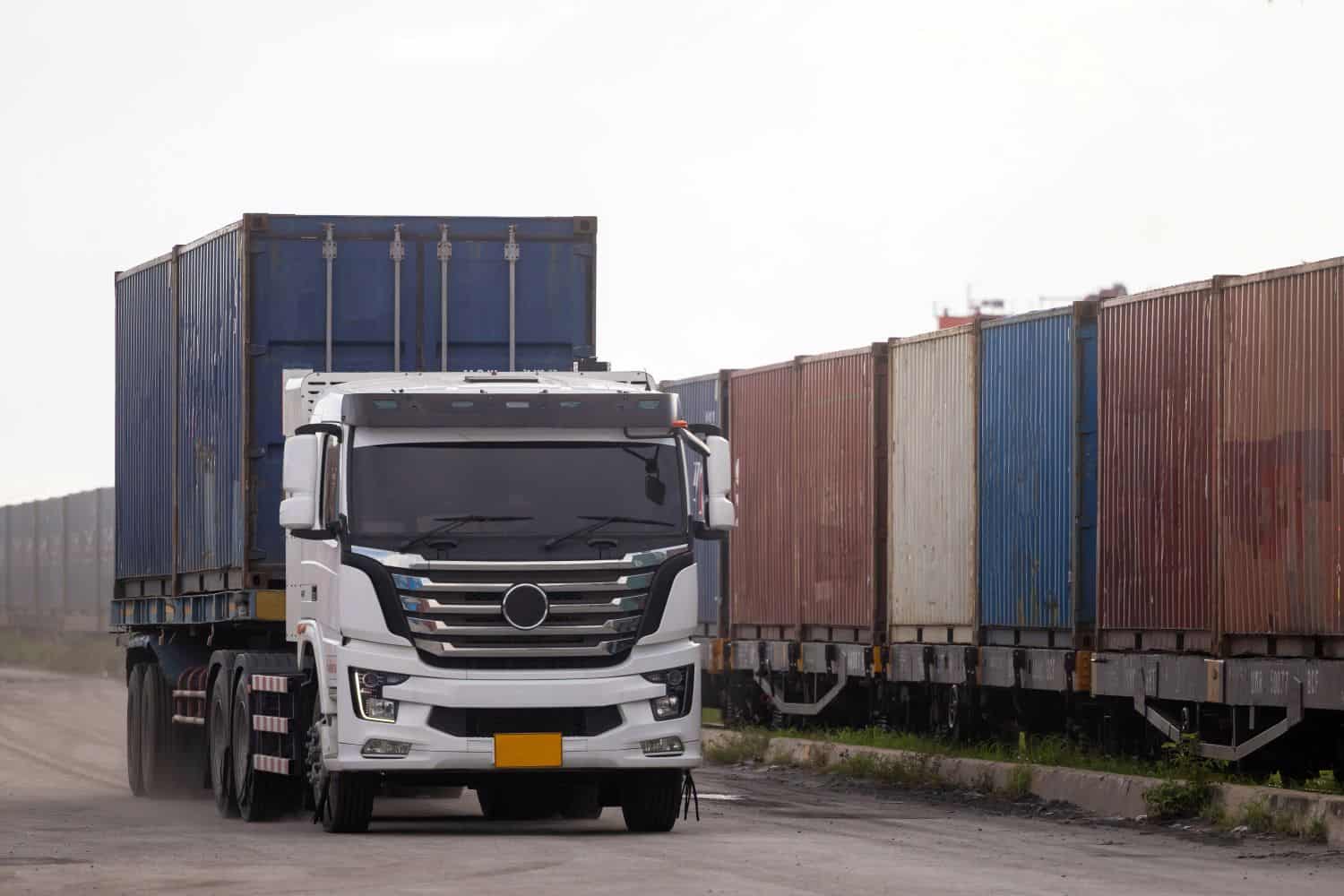
Critical Challenges Confronting Trucking Operators in the Philippines: An In-Depth Analysis
Essential Steps to Overcome Critical Challenges in the Trucking Business in Philippines
The trucking business in Philippines plays a vital role in sustaining the country’s logistics and supply chain efficiency. Operators face a variety of critical challenges that require careful preparation and strategic management. Understanding these obstacles through a step-by-step approach can elevate operational success and sustainability. This article outlines a practical checklist for trucking operators to proactively address key issues and thrive in the competitive environment.
Step 1: Conduct Thorough Regulatory Compliance Preparation
Compliance with government regulations is foundational to operating a trucking business in Philippines. The regulatory landscape involves vehicle registration, licensing, permits for cargo types, and adherence to safety standards. Operators must establish a systematic process to stay updated on evolving laws and ensure all documentation is current.
- Verify vehicle registrations and permits: Confirm all trucks have valid registrations and necessary permits for intended cargo.
- Ensure driver licensing meets standards: Drivers should hold appropriate licenses, including special endorsements when required.
- Implement safety audits: Regularly conduct vehicle inspections to comply with the Land Transportation Office guidelines.
- Prepare for tax obligations: Maintain accurate financial records to fulfill tax reporting and payment deadlines.
By establishing a compliance checklist, operators can minimize risks of fines and interruptions, fostering trust with clients and authorities alike.
Step 2: Optimize Fleet Maintenance and Management Systems
Maintaining a reliable fleet is critical in the trucking business in Philippines, where road conditions and frequent usage demand robust upkeep. A structured maintenance plan reduces downtime and extends vehicle lifespan.
- Schedule preventive maintenance: Regular servicing based on mileage and usage prevents breakdowns.
- Monitor vehicle health using telematics: Real-time tracking helps identify issues early and optimize routes.
- Train maintenance staff: Skilled technicians ensure repairs meet quality standards.
- Manage spare parts inventory: Availability of essential parts accelerates repair times.
Effective fleet management enhances operational efficiency and customer satisfaction by ensuring timely deliveries and consistent service quality.
Step 3: Develop Comprehensive Driver Training and Retention Programs
Drivers are the backbone of the trucking business in Philippines. Investing in their training and well-being promotes safety, loyalty, and productivity.
- Implement defensive driving courses: Enhance driver skills to reduce accidents and improve fuel efficiency.
- Conduct regular safety briefings: Reinforce best practices and compliance with traffic laws.
- Establish performance incentives: Reward punctuality, safe driving, and customer service excellence.
- Provide wellness support: Promote health and work-life balance to reduce fatigue-related risks.
This approach not only safeguards assets but also builds a motivated and professional workforce capable of adapting to operational demands.
Step 4: Strengthen Operational Planning and Route Optimization
Efficient logistics planning is essential for the trucking business in Philippines to maximize resource utilization and minimize costs. Operators should adopt technology-driven solutions for route and load management.
- Utilize GPS route planning tools: Identify the fastest and safest routes considering traffic and road conditions.
- Analyze cargo load optimization: Maximize truck capacity while adhering to weight regulations.
- Schedule deliveries strategically: Align with client windows and reduce idle time.
- Monitor fuel consumption: Adjust routes and driving habits to enhance fuel economy.
By integrating these steps, trucking operators can improve turnaround times and increase profitability sustainably.
Step 5: Implement Robust Risk Management and Insurance Strategies
Managing risks is indispensable in the trucking business in Philippines. Operators face uncertainties related to accidents, cargo damage, theft, and natural events. A proactive risk management framework, coupled with comprehensive insurance coverage, mitigates financial exposure.
- Assess risk exposure regularly: Identify high-risk routes, cargo types, and operational vulnerabilities.
- Secure multi-layered insurance: Ensure coverage includes vehicle, cargo, liability, and employee protection.
- Develop emergency response protocols: Prepare teams to handle incidents swiftly and effectively.
- Engage in continuous risk education: Train staff on risk awareness and prevention measures.
This systematic approach safeguards business continuity and fosters confidence among stakeholders.
Step 6: Leverage Technology for Business Intelligence and Customer Service
Modern trucking business in Philippines benefits greatly from technological integration. Digital tools enhance decision-making, operational transparency, and client engagement.
- Adopt fleet management software: Centralize data on vehicle status, driver performance, and maintenance.
- Implement customer portals: Provide real-time shipment tracking and communication channels.
- Use data analytics: Identify trends for cost reduction and service improvement.
- Automate administrative tasks: Streamline invoicing, payroll, and compliance reporting.
These innovations create competitive advantages by improving efficiency and building stronger customer relationships.
Forward-Looking Perspectives for Trucking Operators
Preparing for challenges in the trucking business in Philippines requires a holistic and proactive mindset. By following the steps outlined—from regulatory compliance to technology adoption—operators can establish a resilient foundation for growth. Each phase of preparation contributes to an integrated system that enhances operational excellence and market responsiveness.
For those seeking to deepen their understanding and practical know-how, exploring resources related to the trucking business in philippines can offer valuable guidance and support. Integrating expert insights with tailored strategies positions operators for success in a dynamic industry landscape. Discover more about effective practices and industry trends by visiting trucking business in philippines to elevate your operational capabilities and strategic planning.