Unlocking the Potential of Vietnam Precision Machining: Insights and Opportunities
Vietnam’s precision machining world is thriving, making it a go-to destination for businesses seeking high-quality manufacturing solutions. Why is that? Simply put, Vietnam boasts an impressive blend of skilled workforce, advanced technology, and cost-effectiveness. So, whether you’re in aerospace, automotive, or electronics, you’ll find plenty of insights here about how Vietnam’s machining industry can meet your needs. In this text, we’ll explore the ins and outs of this sector, its advantages, challenges, and what the future holds for precision machining in Vietnam. Let’s immerse.
Overview of Precision Machining in Vietnam
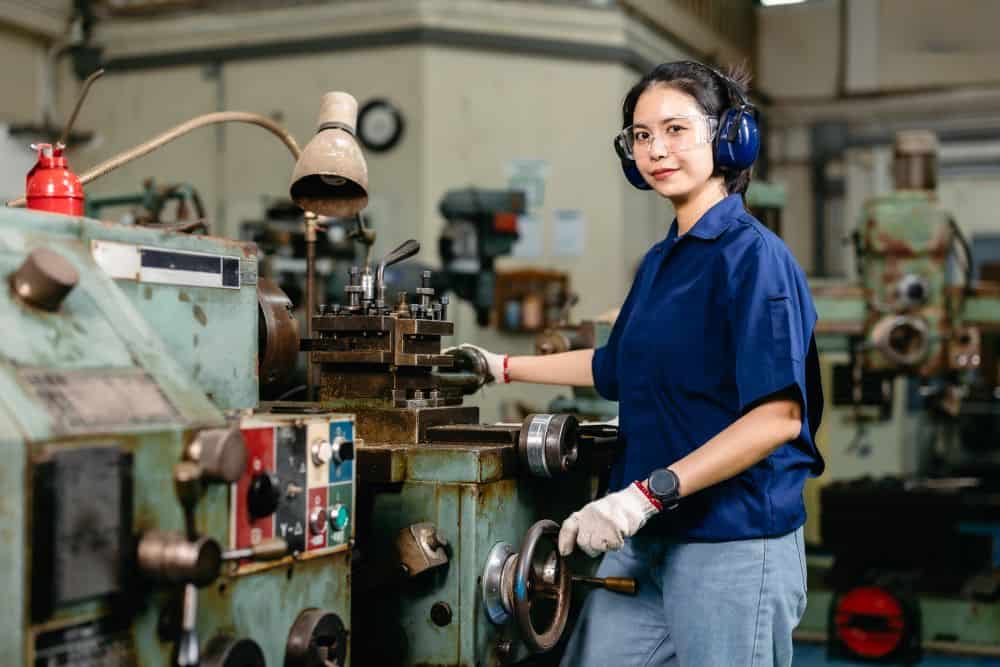
Precision machining in Vietnam has seen remarkable growth over the past few years, driven by an increasing demand for high-quality components across multiple sectors. The country has positioned itself as a competitive player in the global manufacturing world, thanks to its ability to combine tradition with modern technology. Skilled machinists are consistently delivering intricate components with high precision, adhering to international industry standards. This commitment to quality is pivotal, especially in industries where tolerances are tight and precision is paramount.
As you look into precision machining services, you’ll discover a diverse range of techniques including CNC machining, EDM, and multi-axis machining. These technologies enable the production of complex shapes and parts that meet specific requirements. Also, with ongoing investments in machinery and training, Vietnam is continually enhancing its capabilities to keep up with technological advancements and global manufacturing trends.
Key Industries Benefiting from Precision Machining
Several key industries in Vietnam are reaping the benefits of precision machining. Here are a few that stand out:
- Aerospace: Precision machining is crucial in aerospace for producing components that meet stringent safety and performance standards. Manufacturers in Vietnam are increasingly securing contracts in this sector, thanks to their high-quality outputs and certifications.
- Automotive: The automotive industry demands precision-engineered parts for everything from engines to electronic systems. Vietnam’s machining facilities are increasingly becoming vital suppliers for global automotive brands.
- Electronics: With the rapid growth of electronics, precision machining is essential for producing components used in devices such as smartphones and computers. Vietnam’s skilled workforce and machining tech make it an attractive option in this sector.
- Medical Devices: In the medical industry, precision is non-negotiable. So, the production of medical devices benefits from the detailed work of skilled machinists in Vietnam, meeting the exacting standards required for biomedical applications.
Advantages of Choosing Vietnam for Precision Machining
Choosing Vietnam for your precision machining needs offers numerous advantages:
- Cost-effectiveness: Compared to many Western countries, manufacturing costs in Vietnam are significantly lower. You’ll save on labour and overhead costs, allowing for more competitive pricing on your products.
- Skilled Workforce: Vietnam has a burgeoning pool of skilled engineers and machinists. Their commitment to quality and ongoing training programs ensure that they stay up to date with the latest technologies and industry trends.
- Agility and Flexibility: Manufacturers in Vietnam are known for their ability to adapt quickly to changes in market demands. Whether you need a short run of prototypes or large-scale production, the industry can quickly pivot to meet your requirements.
- Strategic Location: Located in Southeast Asia, Vietnam’s proximity to major markets like China and other ASEAN countries facilitates easier logistics and transportation of goods, which translates into quicker turnaround times.
Technological Innovations in Vietnam’s Machining Sector
Innovation is at the heart of Vietnam’s precision machining growth. Key technological advancements include:
- CNC Machining: Computer Numerical Control (CNC) machines have revolutionized the industry, allowing for greater precision and efficiency. You’ll find a variety of CNC capabilities, from milling and turning to advanced machining centres.
- 3D Printing: While still emerging in Vietnam, 3D printing technologies are being integrated into precision machining processes, allowing for rapid prototyping and more complex designs at a lower cost.
- Industry 4.0: The adoption of smart manufacturing principles is on the rise. Manufacturers are leveraging IoT, automation, and data analytics to enhance production efficiency and reduce waste.
These innovations make Vietnam a promising hub for companies looking to leverage high-tech solutions in manufacturing.
Challenges Facing the Precision Machining Industry in Vietnam
Even though its many advantages, Vietnam’s precision machining sector isn’t without challenges:
- Infrastructure: While improving, Vietnam’s infrastructure can still pose issues, especially in transportation and logistics, impacting delivery timelines.
- Regulatory Hurdles: Exploring local regulations and compliance requirements can be cumbersome. It’s crucial to fully understand these to prevent delays or setbacks in your projects.
- Competition: With an influx of manufacturers, both local and foreign, competition has intensified. Standing out requires a commitment to quality and constant innovation.
Addressing these challenges head-on will be key for Vietnam to maintain its competitive edge in the precision machining market.
Future Outlook for Precision Machining in Vietnam
The future looks bright for precision machining in Vietnam. With continued investments in education and infrastructure, you can expect to see:
- Increased Export Potential: As global demand for precision components rises, Vietnam is well-positioned to become a leading exporter of machined parts.
- Greater Investment in Technology: As companies continue to adopt advanced technologies, you’ll find ongoing improvements in efficiency and output quality.
- Emerging Partnerships: Collaborations with international firms will likely grow, leading to knowledge transfer and better standards across the industry.
All these developments indicate a robust expansion of vietnam precision machining capabilities, making it an exciting time for industry players.
Conclusion
Summarizing, Vietnam is establishing itself as a formidable player in the precision machining industry. With its cost-effective solutions, skilled workforce, and technological advancements, the opportunities are plentiful. Whether you’re in aerospace, automotive, electronics, or medical devices, tapping into Vietnam’s machining potential can be a game-changer for your business. As the industry evolves and faces its challenges, proactive engagement and a focus on quality will pave the way for future success. Don’t miss the chance to explore how Vietnam’s precision machining capabilities can add value to your operations.